
Food Delivery Services 18

Enhancing User Experience: Vebsync’s Design Solutions for Food Delivery Services

In the competitive world of food delivery services, providing a seamless and engaging user experience can set a business apart from its competitors. At Vebsync, we understand the pivotal role that exceptional design plays in attracting and retaining customers. Our digital design agency is dedicated to helping businesses grow and establish a strong online presence through innovative design solutions tailored specifically for the food delivery industry. In this blog post, we will explore how Vebsync’s design solutions can enhance user experience, drive customer satisfaction, and ultimately contribute to business growth.

The Importance of User Experience in Food Delivery Services

User experience (UX) is a critical factor in the success of any food delivery service. A well-designed platform can streamline the ordering process, reduce friction, and create a positive impression that encourages repeat business. On the other hand, a poorly designed interface can lead to frustration, abandoned orders, and a negative perception of the brand.

To stand out in a crowded market, food delivery services need to focus on creating a user-friendly experience that is both visually appealing and highly functional. This is where Vebsync comes in. Our team of experienced designers and developers is committed to delivering solutions that not only meet but exceed user expectations.

Tailored Design Solutions for Food Delivery Services

At Vebsync, we believe that one-size-fits-all solutions are not effective in the diverse landscape of food delivery services. We offer a range of tailored design solutions that cater to the specific needs of food delivery businesses, ensuring that every aspect of the user experience is optimized for success.

  1. Mobile Optimization

In today’s digital age, mobile devices are the primary means by which customers interact with food delivery services. Recognizing this, Vebsync focuses on creating mobile-optimized designs that provide a smooth and intuitive experience across all types of devices. Our mobile-first approach ensures that your platform performs seamlessly on smartphones and tablets, making it easy for users to browse menus, place orders, and track deliveries.

  1. Streamlined Ordering Process

A key element of user experience is the efficiency of the ordering process. Vebsync designs interfaces that simplify the ordering process, minimizing the number of steps required to complete a transaction. By implementing features such as easy-to-navigate menus, intuitive search functionality, and one-click reordering, we help reduce friction and enhance the overall user experience.

  1. Engaging Visual Design

Visual appeal plays a significant role in attracting and retaining customers. At Vebsync, we create visually stunning designs that capture the essence of your brand and entice users to explore your offerings. Our design team works closely with you to understand your brand identity and incorporate it into every aspect of the user interface, from color schemes and typography to imagery and iconography.

  1. Personalization and Customization

Personalization is a powerful tool for enhancing user experience and driving customer loyalty. Vebsync’s design solutions include features that allow users to customize their experience based on their preferences and order history. This could include personalized recommendations, saved favorite orders, and tailored promotions that make users feel valued and understood.

  1. Seamless Integration with Backend Systems

A well-designed front-end is only effective if it works seamlessly with your backend systems. Vebsync ensures that our designs integrate smoothly with your existing technology stack, including payment gateways, inventory management systems, and customer relationship management tools. This integration not only improves the efficiency of your operations but also provides a more cohesive and streamlined user experience.

  1. Fast Load Times and Performance

Performance is a crucial factor in user satisfaction. Slow-loading pages and laggy interfaces can lead to frustration and lost sales. Vebsync prioritizes performance optimization in our design process, ensuring that your platform loads quickly and operates smoothly. By employing best practices for performance, we help keep users engaged and satisfied with your service.

  1. Enhanced Security Features

In the food delivery industry, security is paramount. Vebsync incorporates robust security features into our designs to protect user data and ensure secure transactions. From secure payment processing to data encryption and user authentication, our design solutions are built with security in mind to provide users with peace of mind when interacting with your platform.

Case Studies: Success Stories with Vebsync

To illustrate the impact of Vebsync’s design solutions, let’s look at a few case studies from our work with food delivery services:

  1. Case Study 1: Local Eats Delivery Service

Local Eats, a regional food delivery service, sought to revamp its platform to enhance user experience and drive growth. Vebsync’s team redesigned the mobile app, focusing on a streamlined ordering process and engaging visual design. The result was a 30% increase in completed orders and a significant boost in customer satisfaction, as reflected in positive feedback and higher app store ratings.

  1. Case Study 2: Gourmet Grub Online Ordering

Gourmet Grub, a high-end food delivery service, needed a mobile-optimized website that showcased its premium offerings and provided a seamless ordering experience. Vebsync delivered a visually stunning and highly functional design that improved load times and integrated seamlessly with the company’s backend systems. Gourmet Grub saw a 25% increase in online orders and a noticeable reduction in cart abandonment rates.

  1. Case Study 3: Quick Bites Fast Food Delivery

Quick Bites, a fast food delivery service, wanted to enhance its platform with personalized features and improved performance. Vebsync’s design solutions included personalized recommendations and a faster, more responsive interface. The redesign led to a 20% increase in repeat customers and a notable improvement in user engagement.

Conclusion

In the competitive food delivery industry, providing an exceptional user experience is essential for attracting and retaining customers. Vebsync’s design solutions are specifically tailored to meet the unique needs of food delivery services, focusing on mobile optimization, streamlined ordering, engaging visual design, personalization, and seamless integration.


 

Automotive

Managing Manufacturing Costs and Profitability in the Automotive Industry with Ouditor

In the competitive landscape of the automotive industry, managing manufacturing costs while maintaining profitability is a complex challenge that requires precision, efficiency, and strategic insight. With rising material costs, fluctuating demand, and stringent regulatory requirements, automotive manufacturers must adopt effective financial management practices to stay ahead. Ouditor Financial Suite is here to support automotive manufacturers in navigating these challenges by offering comprehensive accounting and financial management tools. In this blog post, we will explore how Ouditor can help manage manufacturing costs and enhance profitability in the automotive industry.

The Complexities of Manufacturing Costs in Automotive Production

Manufacturing costs in the automotive industry are multifaceted, encompassing various elements that impact overall profitability. Key cost components include:

  1. Raw Materials and Components: The cost of materials such as steel, aluminum, and advanced composites can significantly impact manufacturing expenses. Fluctuations in material prices and supply chain disruptions add layers of complexity to cost management.

  2. Labor Costs: Labor costs include wages, benefits, and overtime for production staff. Efficient labor management and cost control are critical for maintaining profitability.

  3. Overhead Costs: Overhead costs encompass expenses related to factory operations, including utilities, maintenance, and equipment depreciation. Managing these costs is essential for ensuring efficient production and profitability.

  4. Quality Control and Compliance: Ensuring product quality and regulatory compliance involves additional costs. Implementing quality control measures and meeting industry standards are crucial for avoiding costly recalls and penalties.

  5. Production Efficiency: The efficiency of manufacturing processes, including machine utilization, downtime, and production speed, directly affects overall cost and profitability.

How Ouditor Helps Manage Manufacturing Costs

1. Comprehensive Cost Tracking

Feature Overview:

Ouditor Financial Suite offers advanced cost tracking tools that help automotive manufacturers monitor and manage various cost components effectively.

How It Helps:

  • Detailed Cost Reports: Generate detailed reports on raw materials, labor, overhead, and other manufacturing costs to gain insights into cost structures and identify areas for improvement.
  • Cost Allocation: Allocate costs to specific production lines or projects to better understand cost drivers and optimize resource allocation.

Benefit:

Comprehensive cost tracking provides manufacturers with the insights needed to control and reduce costs, leading to improved profitability and operational efficiency.

2. Real-Time Financial Insights

Feature Overview:

Ouditor’s real-time financial insights allow automotive manufacturers to monitor their financial performance and make informed decisions.

How It Helps:

  • Real-Time Dashboards: Access real-time financial dashboards that display key metrics such as production costs, profit margins, and financial performance indicators.
  • Dynamic Analysis: Analyze financial data dynamically to identify trends, assess performance, and make data-driven decisions.

Benefit:

Real-time insights enable manufacturers to respond quickly to cost changes and optimize their operations to maintain profitability.

3. Budgeting and Forecasting

Feature Overview:

Effective budgeting and forecasting are essential for managing manufacturing costs and planning for future financial performance. Ouditor provides tools for accurate budgeting and forecasting.

How It Helps:

  • Budget Management: Create and manage detailed budgets for different manufacturing processes, departments, and projects.
  • Forecasting Tools: Use forecasting tools to predict future costs and revenues based on historical data and market trends.

Benefit:

Accurate budgeting and forecasting help manufacturers plan for future expenses, allocate resources effectively, and mitigate financial risks.

4. Supplier and Vendor Management

Feature Overview:

Managing supplier and vendor relationships is critical for controlling material costs and ensuring timely delivery. Ouditor offers tools for efficient supplier and vendor management.

How It Helps:

  • Supplier Performance Tracking: Monitor supplier performance, including delivery times, quality, and cost efficiency.
  • Contract Management: Manage supplier contracts and negotiate terms that align with cost control objectives.

Benefit:

Effective supplier and vendor management helps manufacturers secure favorable terms, reduce material costs, and ensure a reliable supply chain.

5. Cost Control and Optimization

Feature Overview:

Ouditor’s cost control and optimization features help automotive manufacturers identify and implement cost-saving measures.

How It Helps:

  • Cost Analysis: Analyze cost data to identify inefficiencies and areas for cost reduction.
  • Optimization Strategies: Implement optimization strategies such as process improvements, waste reduction, and resource optimization.

Benefit:

Cost control and optimization measures help manufacturers reduce unnecessary expenses and enhance overall profitability.

6. Quality Control and Compliance Management

Feature Overview:

Maintaining product quality and compliance is essential for avoiding costly recalls and penalties. Ouditor provides tools for managing quality control and compliance.

How It Helps:

  • Compliance Tracking: Track compliance with industry standards and regulations to ensure that manufacturing processes meet quality and safety requirements.
  • Quality Metrics: Monitor quality metrics and implement corrective actions to address any quality issues.

Benefit:

Effective quality control and compliance management help manufacturers avoid costly issues and maintain high standards of product quality.

Enhancing Profitability with Ouditor

To ensure long-term profitability in the automotive manufacturing industry, companies must focus on optimizing their cost management practices and leveraging financial insights. Ouditor Financial Suite offers a range of tools designed to support manufacturers in achieving these goals:

  • Optimized Cost Management: Ouditor’s comprehensive cost tracking and analysis tools help manufacturers identify cost drivers and implement cost-saving measures.
  • Data-Driven Decision Making: Real-time financial insights and forecasting tools enable manufacturers to make informed decisions and plan for future financial performance.
  • Efficient Resource Allocation: Budgeting and supplier management features support effective resource allocation and cost control.
  • Quality and Compliance: Quality control and compliance management tools help manufacturers maintain high standards and avoid costly issues.

By leveraging Ouditor’s financial management tools, automotive manufacturers can gain greater control over their manufacturing costs, enhance operational efficiency, and improve profitability. Embrace Ouditor to drive your manufacturing operations toward greater financial success and operational excellence.

Cafes and Bakeries 17

Drive More Customers with a Stunning Website by Vebsync

In today’s digital age, a compelling online presence is more than just a luxury—it’s a necessity for any business looking to attract and retain customers. A well-designed website can be a powerful tool to drive traffic, engage visitors, and ultimately boost sales. At Vebsync, we specialize in creating stunning websites that not only captivate audiences but also convert them into loyal customers. Here’s how our services can help your business grow and establish a robust online presence.

1. Crafting a Visually Stunning Website

The first impression matters, and your website is often the first point of contact between your business and potential customers. At Vebsync, we prioritize design elements that captivate and engage visitors from the moment they land on your site.

a. Custom Designs that Reflect Your Brand

Our design team works closely with you to create a website that embodies your brand’s identity:

  • Unique Visuals: We craft custom graphics, color schemes, and layouts that align with your brand’s personality and values. Whether you’re in retail, hospitality, or any other industry, our designs will help your brand stand out from the competition.
  • Consistent Branding: We ensure that your website maintains consistency with your brand’s logo, colors, and fonts, reinforcing brand recognition and trust.

b. High-Quality Imagery and Graphics

Visual content plays a crucial role in engaging visitors:

  • Professional Photography: We incorporate high-resolution images that showcase your products, services, or facilities in the best light. Professional photography adds a touch of authenticity and quality to your website.
  • Creative Graphics: Our team designs custom graphics and illustrations that enhance your website’s visual appeal and support your marketing messages.

2. Enhancing User Experience (UX)

A stunning website is not just about aesthetics; it’s also about providing a seamless user experience. Our design approach ensures that visitors can easily navigate your site and find the information they need.

a. Intuitive Navigation

We design websites with user-friendly navigation:

  • Clear Menu Structures: Our team creates clear and concise menu structures that make it easy for visitors to find what they’re looking for. This includes organizing content logically and providing straightforward navigation paths.
  • Search Functionality: We integrate search features that allow users to quickly locate specific information or products on your website, enhancing their overall experience.

b. Mobile-Optimized Design

With a significant portion of web traffic coming from mobile devices, having a mobile-friendly website is essential:

  • Responsive Layouts: We ensure that your website’s design adapts seamlessly to various screen sizes, providing an optimal viewing experience on smartphones, tablets, and desktops.
  • Touch-Friendly Elements: Our designs incorporate touch-friendly elements, such as larger buttons and intuitive gestures, to make navigation easy on mobile devices.

3. Driving Engagement with Interactive Features

Interactive features can significantly boost user engagement and encourage visitors to spend more time on your site. At Vebsync, we incorporate interactive elements that enhance user experience and keep visitors coming back.

a. Interactive Content

We create engaging interactive content that captures attention:

  • Sliders and Galleries: Our designs include interactive sliders and image galleries that showcase your products or services in a dynamic and engaging way.
  • Interactive Maps and Forms: We integrate interactive maps for location-based businesses and user-friendly forms for inquiries, bookings, or feedback.

b. Calls-to-Action (CTAs)

Effective CTAs drive conversions by prompting users to take specific actions:

  • Strategic Placement: We place prominent CTAs throughout your website, guiding users to important actions such as making a purchase, signing up for a newsletter, or requesting a quote.
  • Compelling Copy: Our team crafts compelling CTA copy that motivates visitors to take the next step, improving your website’s conversion rates.

4. Optimizing for Search Engines (SEO)

A beautiful website is only effective if people can find it. Our SEO experts ensure that your site is optimized to rank higher in search engine results, driving more organic traffic to your business.

a. On-Page SEO

We implement on-page SEO strategies to improve your website’s visibility:

  • Keyword Optimization: We conduct thorough keyword research to identify relevant search terms and integrate them naturally into your website’s content, meta tags, and headings.
  • Quality Content: Our content creation team develops high-quality, informative content that adds value to your audience and supports your SEO efforts.

b. Technical SEO

Technical SEO ensures that your website’s infrastructure supports search engine indexing:

  • Fast Loading Times: We optimize your website’s performance to ensure fast loading times, which enhances user experience and improves search engine rankings.
  • Mobile Friendliness: We ensure that your website meets mobile-friendliness standards, as search engines prioritize mobile-optimized sites in their rankings.

5. Boosting Conversions with E-Commerce Integration

For businesses looking to sell products or services online, e-commerce integration is crucial. At Vebsync, we build e-commerce websites that facilitate smooth online transactions and drive sales.

a. User-Friendly E-Commerce Platforms

We set up e-commerce platforms that make online shopping easy and enjoyable:

  • Product Display: Our designs showcase your products with detailed descriptions, high-quality images, and pricing information, making it easy for customers to make informed purchasing decisions.
  • Secure Checkout: We integrate secure payment gateways and user-friendly checkout processes to ensure a safe and seamless shopping experience.

b. Conversion Optimization

We implement strategies to boost your e-commerce site’s conversion rates:

  • Abandoned Cart Recovery: We set up abandoned cart recovery mechanisms, such as email reminders, to encourage customers to complete their purchases.
  • Personalized Recommendations: Our designs include personalized product recommendations based on browsing history and purchase behavior, increasing cross-sell and upsell opportunities.

6. Analyzing Performance and Making Data-Driven Improvements

Continuous improvement is key to maintaining a successful online presence. We provide analytics and reporting services to track your website’s performance and make data-driven enhancements.

a. Performance Tracking

We monitor key performance metrics to evaluate your website’s effectiveness:

  • Traffic Analysis: We track website traffic, user behavior, and conversion rates to assess the impact of our design and marketing strategies.
  • Engagement Metrics: We analyze user engagement metrics, such as time spent on site and bounce rates, to identify areas for improvement.

b. Optimization Recommendations

Based on performance data, we provide actionable recommendations for ongoing optimization:

  • A/B Testing: We conduct A/B testing to compare different design elements and determine which versions perform better.
  • Continuous Updates: Our team makes regular updates and adjustments to ensure your website remains effective and competitive.

Conclusion

A stunning website is a powerful asset that can drive more customers to your business and establish a strong online presence. At Vebsync, we combine captivating design with user-friendly features, SEO optimization, and e-commerce integration to help your business thrive in the digital landscape. Our approach ensures that your website not only looks great but also performs exceptionally, driving traffic, engaging visitors, and boosting conversions.

Ready to transform your online presence? Contact Vebsync today to discover how our custom website design solutions can help your business grow and succeed.

Restaurants 16

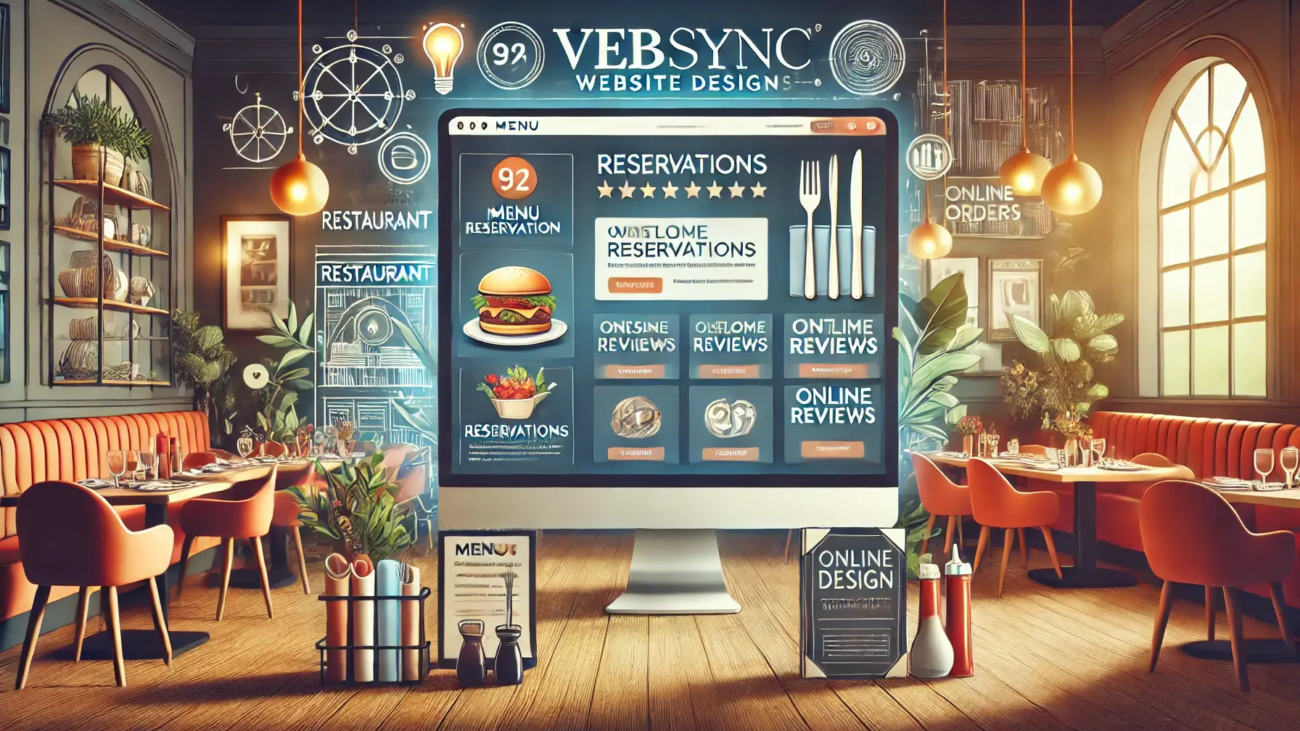
Enhancing the Dining Experience: Vebsync’s Design Solutions for Restaurants

In the restaurant industry, creating a memorable dining experience goes beyond the food and ambiance—it extends to how customers interact with your brand online. As a leading digital design agency, Vebsync understands that a well-crafted online presence is crucial for attracting and retaining customers. Our design solutions are tailored to enhance every aspect of the dining experience, from discovering your restaurant to making reservations and placing orders. In this blog post, we’ll explore how Vebsync’s design solutions can help restaurants elevate their online presence and create a seamless, engaging experience for their customers.

1. Crafting a Visually Appealing Website

The first impression customers have of your restaurant often comes from your website. At Vebsync, we believe that a visually appealing website is essential for capturing attention and conveying the essence of your brand. Our team of designers works closely with you to create a website that reflects your restaurant’s unique identity and ambiance.

Key Features of Our Design Solutions:

  • Custom Branding: We incorporate your restaurant’s branding elements, such as logos, color schemes, and typography, to create a cohesive and memorable visual identity.
  • High-Quality Imagery: High-resolution images of your dishes, interior, and events make your website visually enticing and help convey the quality of your offerings.
  • Responsive Design: Our websites are designed to look and function seamlessly across all devices, ensuring a consistent experience for users on smartphones, tablets, and desktops.

2. Enhancing User Experience with Intuitive Navigation

A user-friendly website is crucial for ensuring that customers can easily find the information they need and navigate through your site effortlessly. Vebsync’s design solutions focus on creating an intuitive navigation experience that guides users smoothly from one section to another.

Key Features of Intuitive Navigation:

  • Clear Menu Structure: We organize your website’s content into clear, easily accessible categories, making it simple for users to find your menu, reservations, and contact information.
  • Prominent Call-to-Actions (CTAs): Strategically placed CTAs encourage users to take action, whether it’s making a reservation, placing an order, or signing up for your newsletter.
  • Search Functionality: An integrated search feature allows users to quickly locate specific dishes, services, or information on your website.

3. Streamlining Online Reservations and Ordering

Efficient online reservations and ordering systems are essential for modern restaurants. Vebsync’s design solutions include custom-built systems that simplify these processes, making it easy for customers to book a table or place an order with just a few clicks.

Key Features of Our Reservation and Ordering Systems:

  • Real-Time Availability: Our reservation systems provide up-to-date availability, allowing customers to book tables at their preferred times without the risk of overbooking.
  • Customizable Ordering: Our online ordering systems allow customers to customize their orders based on their preferences, dietary restrictions, and special requests.
  • Secure Payment Processing: We integrate secure payment gateways to ensure that all transactions are processed safely and efficiently.

4. Creating Engaging and Interactive Content

Engaging content can enhance the dining experience by providing valuable information and interactive features that captivate your audience. Vebsync’s design solutions incorporate interactive elements that keep users engaged and encourage them to explore your restaurant further.

Key Features of Engaging Content:

  • Virtual Tours: A virtual tour of your restaurant allows potential customers to experience the ambiance and layout from the comfort of their homes.
  • Interactive Menus: Clickable menus with detailed descriptions, images, and customization options make it easy for users to explore your offerings.
  • Customer Reviews and Testimonials: Displaying positive reviews and testimonials builds trust and credibility, encouraging new customers to visit your restaurant.

5. Leveraging Social Media Integration

Social media is a powerful tool for connecting with your audience and promoting your restaurant. Vebsync’s design solutions include social media integration that allows users to easily follow, share, and engage with your brand on various platforms.

Key Features of Social Media Integration:

  • Social Media Feeds: Display live feeds from your social media accounts to keep your website content fresh and showcase your latest updates, promotions, and events.
  • Share Buttons: Social media share buttons enable users to share their dining experiences and favorite dishes with their networks, increasing your restaurant’s visibility and reach.
  • Follow Links: Prominent links to your social media profiles encourage users to follow you and stay updated on your latest news and offerings.

6. Implementing SEO Best Practices

Search engine optimization (SEO) is essential for ensuring that your restaurant’s website ranks well in search engine results and attracts organic traffic. Vebsync’s design solutions incorporate SEO best practices to improve your website’s visibility and drive more potential customers to your site.

Key Features of SEO Optimization:

  • Keyword Integration: We incorporate relevant keywords into your website’s content, meta tags, and headings to improve search engine rankings.
  • Local SEO: Optimizing your site for local searches helps attract customers in your area and drive more foot traffic to your restaurant.
  • Performance Optimization: We ensure that your website loads quickly and performs well, which is crucial for both user experience and search engine rankings.

7. Enhancing Security and Privacy

Protecting your customers’ data and ensuring a secure online experience is a top priority. Vebsync’s design solutions include robust security measures to safeguard your website and customer information.

Key Features of Security and Privacy:

  • SSL Encryption: We implement SSL encryption to protect user data and provide a secure browsing experience.
  • Regular Updates: Our team keeps your website software and plugins up to date to prevent vulnerabilities and security breaches.
  • Privacy Policies: We help you communicate your privacy policies clearly, reassuring customers that their data is protected.

8. Analyzing and Optimizing Performance

Understanding how users interact with your website is crucial for making data-driven improvements. Vebsync’s design solutions include analytics and reporting tools that provide valuable insights into your website’s performance.

Key Features of Analytics and Reporting:

  • Visitor Tracking: Monitor website traffic, user behavior, and conversion rates to gain insights into how users are interacting with your site.
  • Performance Reports: Generate reports on key metrics such as load times, user engagement, and click-through rates to identify areas for improvement.
  • A/B Testing: Test different design elements and content variations to determine what works best and optimize your website’s performance.

Conclusion: Elevate Your Dining Experience with Vebsync

In today’s digital landscape, a well-designed website is essential for enhancing the dining experience and driving business growth. Vebsync’s design solutions provide the tools you need to create a visually appealing, user-friendly, and engaging online presence for your restaurant. By incorporating essential features such as mobile optimization, intuitive navigation, online reservations, and social media integration, we help you attract and retain customers, streamline operations, and establish a strong online presence.

Ready to enhance your restaurant’s online presence and elevate the dining experience for your customers? Contact Vebsync today to learn how our design solutions can help you achieve your business goals and stand out in a competitive market.

ProfessionalServices

Managing Project-Based Financial Reporting for Engineering Firms with Ouditor

In the engineering industry, managing financial reporting on a project basis is crucial for ensuring profitability, maintaining control over project budgets, and meeting client expectations. Engineering firms often handle multiple projects simultaneously, each with its own set of financial requirements and complexities. Effective financial reporting not only helps in tracking expenses and revenues but also supports strategic decision-making and ensures compliance with industry standards.

Ouditor Financial Suite is here to simplify this process. Our comprehensive accounting software is designed to effortlessly manage invoices, expenses, and payroll while providing deep financial insights for informed decision-making and economic control. In this blog post, we’ll explore how Ouditor can enhance project-based financial reporting for engineering firms, helping them achieve better financial management and project success.

The Importance of Project-Based Financial Reporting

Project-based financial reporting is essential for several reasons:

  1. Budget Management: Engineering projects typically have detailed and segmented budgets. Accurate financial reporting helps track these budgets, manage costs, and ensure that spending stays within limits.

  2. Financial Transparency: Clients and stakeholders expect clear and transparent financial reporting. Effective reporting provides insight into how funds are allocated and spent, fostering trust and client satisfaction.

  3. Performance Evaluation: Regular financial reporting allows firms to assess project performance, identify variances, and take corrective actions. This evaluation supports better project management and improves overall profitability.

  4. Regulatory Compliance: Engineering projects must comply with various financial and regulatory standards. Comprehensive financial reporting ensures that all compliance requirements are met and documented.

How Ouditor Enhances Project-Based Financial Reporting

Ouditor Financial Suite offers a range of features specifically designed to improve project-based financial reporting for engineering firms. Here’s how Ouditor can support your firm in achieving effective financial management:

1. Real-Time Project Financial Tracking

Accurate and real-time tracking of financial data is essential for effective project-based reporting. Ouditor provides advanced tools to monitor and manage project finances in real time.

  • Automated Data Entry: Ouditor automates the entry and tracking of financial data, reducing the risk of errors and ensuring that all project-related transactions are accurately recorded.

  • Project-Specific Dashboards: Ouditor offers customizable dashboards that provide a comprehensive view of financial performance for each project. These dashboards display key metrics such as expenses, revenues, and budget adherence.

  • Expense Tracking: Ouditor tracks all project expenses in real time, categorizing them by project phases or cost centers. This detailed tracking helps in managing budgets and analyzing spending patterns.

2. Integrated Financial Reporting

Integrated financial reporting is crucial for consolidating financial data from multiple projects and generating comprehensive reports.

  • Customizable Reporting Templates: Ouditor provides customizable reporting templates that can be tailored to meet specific project reporting requirements. This flexibility ensures that reports align with client expectations and regulatory standards.

  • Detailed Financial Reports: Ouditor generates detailed financial reports that include breakdowns of project costs, revenue, and profitability. These reports help in assessing project performance and making informed decisions.

  • Consolidated Financial Statements: Ouditor consolidates financial data from multiple projects into unified statements, providing a clear overview of overall financial performance. This consolidation supports better financial analysis and reporting.

3. Budget Management and Variance Analysis

Effective budget management and variance analysis are essential for maintaining financial control and addressing discrepancies.

  • Budget Monitoring: Ouditor tracks project budgets in real time, allowing you to monitor spending against budgeted amounts. This monitoring helps prevent budget overruns and ensures that financial resources are used efficiently.

  • Variance Analysis: Ouditor’s variance analysis tools compare actual project costs against budgeted amounts, identifying any discrepancies. This analysis helps in understanding the reasons for variances and taking corrective actions.

  • Forecasting and Planning: Ouditor provides forecasting tools that help predict future project costs and revenues. This forecasting supports better budget planning and financial management.

4. Resource Allocation and Cost Management

Efficient resource allocation and cost management are critical for project success and profitability.

  • Resource Planning: Ouditor’s resource planning features enable you to allocate resources effectively based on project requirements and timelines. This planning ensures that resources are used optimally and project milestones are met.

  • Cost Allocation: Ouditor’s cost allocation tools help assign project costs to specific phases or cost centers. This allocation provides a detailed view of how funds are being used and supports accurate financial reporting.

  • Expense Categorization: Ouditor categorizes expenses based on project phases, activities, or cost centers, providing detailed insights into spending patterns and supporting better cost management.

5. Compliance and Audit Readiness

Ensuring compliance with regulatory standards and being audit-ready are essential for engineering firms.

  • Regulatory Compliance: Ouditor tracks compliance with financial and regulatory standards, ensuring that project financial reporting meets all required guidelines.

  • Audit Trails: Ouditor maintains detailed audit trails of all financial transactions and reporting activities. These audit trails provide transparency and support regulatory audits and reviews.

  • Compliance Reporting: Ouditor generates compliance reports that document adherence to industry standards and regulations. These reports are essential for audits and ensuring regulatory compliance.

Targeting Engineering Firms with Ouditor

Engineering firms face unique challenges in managing project-based financial reporting. Ouditor Financial Suite is specifically designed to address these challenges and provide tailored solutions for the engineering industry.

1. Industry-Specific Features

Ouditor’s financial management tools are tailored to meet the needs of engineering firms. From project-specific dashboards to customizable reporting templates, Ouditor provides solutions that address the unique requirements of engineering projects.

2. Scalability for Complex Projects

As engineering projects grow in complexity, Ouditor’s scalable features allow firms to manage an increasing number of projects, budgets, and financial data without compromising on accuracy or efficiency.

3. Enhanced Financial Control

Ouditor’s integrated financial management tools provide enhanced control over project costs and budgets. This control helps ensure that projects are completed on time, within budget, and to the highest standards.

4. Client-Centric Approach

Ouditor’s client-centric features support transparency and communication with clients. By providing detailed financial reports and real-time insights into project finances, Ouditor helps build trust and strengthen client relationships.

Conclusion

Managing project-based financial reporting is crucial for the success and profitability of engineering projects. Ouditor Financial Suite offers the tools and features needed to streamline this process, improve financial control, and enhance overall project management. By leveraging Ouditor’s real-time tracking, integrated reporting, budget management, and compliance features, engineering firms can achieve better financial outcomes and project success.

Explore Ouditor Financial Suite today to discover how it can support your engineering firm in managing project finances effectively. With Ouditor, you’ll gain the insights and tools needed to handle complex financial reporting, optimize resource allocation, and ensure that your projects are completed on time, within budget, and in compliance with industry standards.

EntertainmentAndMedia

Revenue Management for Advertising Agencies: Leveraging Ouditor’s Financial Tools

In the fast-paced and competitive world of advertising, effective revenue management is crucial for maintaining profitability and sustaining growth. Advertising agencies face unique financial challenges, including complex billing structures, diverse revenue streams, and fluctuating cash flows. To navigate these challenges successfully, agencies need robust financial tools that provide comprehensive oversight and control. Ouditor Financial Suite is designed to meet these needs, offering a suite of tools for managing invoices, expenses, payroll, and more. In this blog post, we’ll explore how advertising agencies can leverage Ouditor’s financial tools for effective revenue management and operational excellence.

The Importance of Effective Revenue Management

Revenue management is a cornerstone of financial stability and growth for advertising agencies. Here’s why it’s so important:

1. Optimizing Cash Flow

Effective revenue management ensures a steady and predictable cash flow, which is vital for covering operational costs and investing in new opportunities. Managing cash flow efficiently helps avoid financial strain and supports long-term sustainability.

2. Enhancing Profitability

By carefully monitoring and managing revenue streams, agencies can identify areas for improvement and maximize profitability. Accurate revenue tracking and analysis help optimize pricing strategies and resource allocation.

3. Maintaining Client Relationships

Transparent and accurate billing practices foster trust and satisfaction among clients. Clear invoicing and timely payments contribute to strong client relationships and repeat business.

4. Strategic Planning

Revenue management provides valuable insights for strategic planning and decision-making. Understanding revenue patterns and trends helps agencies make informed decisions about growth, investment, and resource allocation.

5. Compliance and Reporting

Accurate revenue management ensures compliance with financial regulations and contractual obligations. It also supports the preparation of detailed financial reports for internal analysis and client reporting.

Challenges in Revenue Management for Advertising Agencies

Advertising agencies face several challenges in managing revenue effectively:

1. Complex Billing Structures

Agencies often deal with complex billing structures, including retainers, milestone payments, and performance-based fees. Managing these structures requires meticulous tracking and accurate invoicing.

2. Diverse Revenue Streams

Advertising agencies typically have multiple revenue streams, such as media commissions, creative services, and consulting fees. Tracking and managing these diverse streams can be challenging without a comprehensive financial system.

3. Fluctuating Cash Flows

Revenue in advertising can be unpredictable, with fluctuations based on project timelines, client payments, and seasonal trends. Managing these fluctuations requires robust cash flow forecasting and management tools.

4. Invoice Accuracy

Ensuring the accuracy of invoices is crucial for preventing disputes and payment delays. Mistakes in billing can impact client satisfaction and cash flow.

5. Real-Time Financial Monitoring

Real-time monitoring of revenue and financial performance is essential for making timely adjustments and optimizing financial strategies. Without real-time insights, it can be difficult to respond to financial challenges effectively.

How Ouditor Enhances Revenue Management for Advertising Agencies

Ouditor Financial Suite offers a range of features designed to streamline revenue management for advertising agencies. Here’s how Ouditor can help:

1. Comprehensive Invoicing

Ouditor’s invoicing tools allow agencies to create and manage detailed invoices with ease. Customize invoices to include all necessary details, such as billing structures, payment terms, and itemized services. Automated invoicing reduces manual effort and minimizes errors, ensuring accurate and timely billing.

2. Diverse Revenue Stream Tracking

Track and manage multiple revenue streams using Ouditor’s comprehensive financial tools. Whether it’s media commissions, creative fees, or consulting charges, Ouditor provides a centralized platform for monitoring and analyzing all sources of revenue.

3. Real-Time Cash Flow Monitoring

Ouditor’s real-time cash flow monitoring tools provide up-to-date insights into your financial position. Track cash inflows and outflows, identify potential cash flow issues, and make informed decisions to maintain financial stability.

4. Automated Payment Processing

Streamline payment collection with Ouditor’s automated payment processing features. Set up automated payment reminders, process electronic payments, and track payment statuses in real time. Automation enhances efficiency and reduces the risk of missed payments.

5. Financial Reporting and Analysis

Generate detailed financial reports using Ouditor’s reporting tools. Analyze revenue patterns, assess profitability, and evaluate financial performance with comprehensive reports. Accurate financial analysis supports strategic planning and decision-making.

6. Budget Management

Manage budgets for various projects and campaigns with Ouditor’s budgeting tools. Create detailed budgets, track expenditures, and compare actual spending against budgeted amounts. Effective budget management helps optimize resource allocation and maintain profitability.

7. Client Portal Integration

Ouditor’s client portal integration allows clients to access their invoices, payment information, and financial reports online. This transparency enhances client satisfaction and simplifies communication.

8. Forecasting and Planning

Utilize Ouditor’s forecasting tools to project future revenue and cash flow. Accurate forecasting helps plan for upcoming projects, allocate resources effectively, and anticipate potential financial challenges.

Best Practices for Revenue Management with Ouditor

1. Implement Standardized Billing Processes

Establish standardized billing processes for all clients and projects. Use Ouditor’s invoicing tools to create consistent and accurate invoices, reducing the risk of errors and disputes.

2. Track All Revenue Streams

Ensure that all revenue streams are tracked and managed in Ouditor. Consolidate financial data from different sources to gain a comprehensive view of your agency’s revenue performance.

3. Monitor Cash Flow Regularly

Regularly monitor cash flow using Ouditor’s real-time tracking tools. Identify potential cash flow issues early and take proactive measures to maintain financial stability.

4. Automate Payment Processing

Leverage Ouditor’s automated payment processing features to streamline payment collection and reduce administrative workload. Set up automated reminders and process payments electronically to enhance efficiency.

5. Use Financial Reports for Decision-Making

Generate and review detailed financial reports to gain insights into revenue patterns and profitability. Use these insights to make informed decisions about budgeting, resource allocation, and strategic planning.

6. Manage Budgets Effectively

Create and manage detailed budgets for each project and campaign using Ouditor’s budgeting tools. Track expenditures and compare them against budgeted amounts to ensure effective resource allocation.

7. Engage Clients with Transparent Reporting

Provide clients with access to their financial information through Ouditor’s client portal. Transparent reporting builds trust and strengthens client relationships.

8. Plan for the Future

Utilize Ouditor’s forecasting tools to plan for future revenue and cash flow needs. Accurate forecasting helps ensure that your agency is prepared for upcoming projects and financial challenges.

Case Study: Enhancing Revenue Management with Ouditor

Consider an advertising agency struggling with managing multiple revenue streams and fluctuating cash flows. The agency faced challenges with accurate billing, tracking payments, and forecasting financial performance.

After implementing Ouditor Financial Suite, the agency experienced significant improvements:

  • Standardized Invoicing: The agency established standardized billing processes, reducing errors and improving accuracy.
  • Revenue Stream Tracking: Ouditor’s tools enabled effective tracking of diverse revenue streams, providing a comprehensive view of financial performance.
  • Real-Time Cash Flow Monitoring: Real-time monitoring helped the agency manage cash flow fluctuations and maintain financial stability.
  • Automated Payment Processing: Automated reminders and electronic payments streamlined the payment collection process.
  • Detailed Financial Reporting: Comprehensive reports provided insights into revenue patterns and profitability, supporting strategic decision-making.

This case study demonstrates how Ouditor can enhance revenue management for advertising agencies, providing the tools and insights needed to optimize financial performance.

Conclusion: Optimize Revenue Management with Ouditor

Effective revenue management is essential for the success of advertising agencies. Ouditor Financial Suite offers a comprehensive set of tools to streamline invoicing, track revenue streams, monitor cash flow, and analyze profitability. By leveraging Ouditor’s features and best practices, agencies can achieve greater financial control, enhance client relationships, and drive growth.

Grocery Stores 15

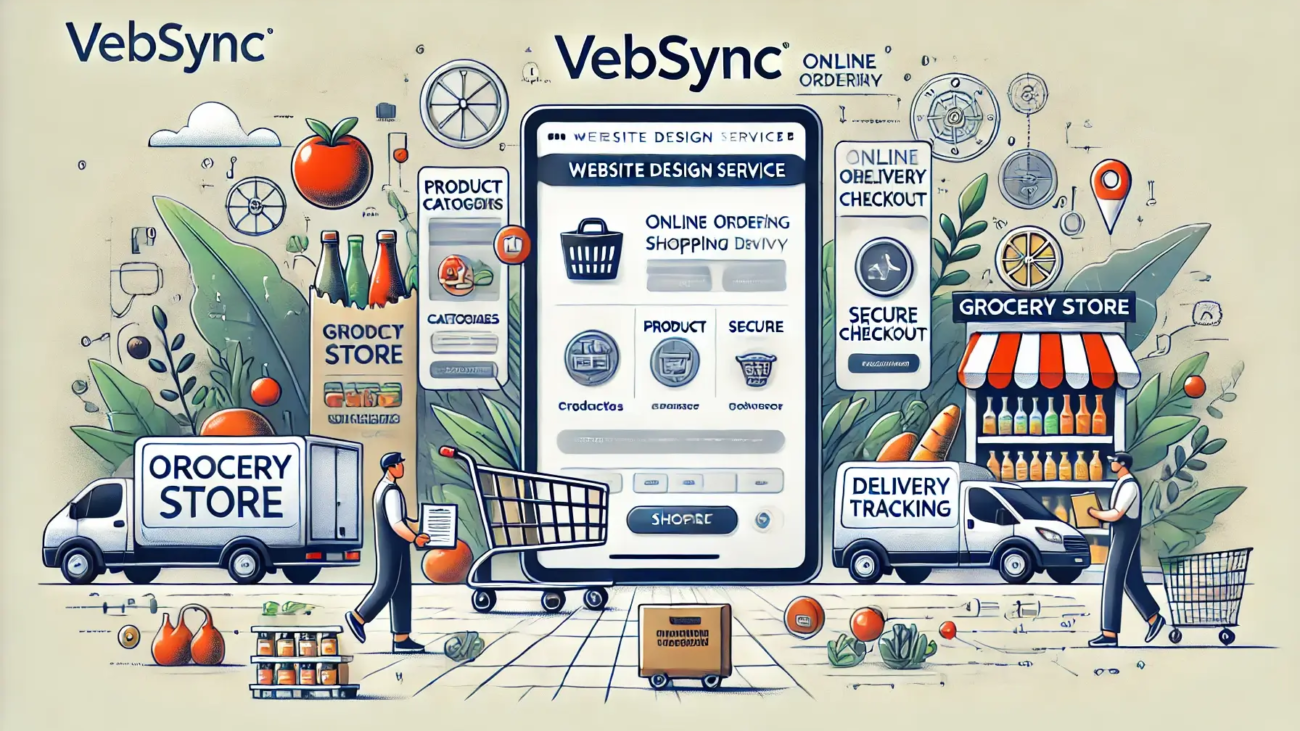
Top Features Every Online Grocery Store Needs: Insights from Vebsync

In the competitive world of online grocery shopping, offering a seamless and intuitive shopping experience is essential for attracting and retaining customers. To stand out in the market, your online grocery store needs to be equipped with the right features and functionalities that not only make the shopping process easier but also encourage repeat business. Vebsync.com, a digital design agency specializing in custom e-commerce solutions, understands the unique needs of online grocery retailers and provides insights into the top features every successful online grocery store should have.

This blog post will explore the must-have features that Vebsync integrates into your online grocery store to enhance user experience, drive sales, and build customer loyalty.

1. Advanced Search and Filtering Options

Customers often visit online grocery stores with specific products or dietary preferences in mind. Vebsync designs advanced search and filtering options that allow users to quickly find what they’re looking for. Whether it’s filtering by brand, dietary restrictions (e.g., gluten-free, organic), price range, or product type, these tools help customers navigate your store more efficiently.

By providing advanced search and filtering options, Vebsync helps you improve the user experience, making it easier for customers to find and purchase the products they need.

2. Easy-to-Use Shopping Cart

The shopping cart is a critical component of any online store, and it needs to be intuitive and user-friendly. Vebsync designs shopping carts that are easy to access and update, allowing customers to add, remove, or adjust quantities of items without hassle. We also include features like “save for later” and the ability to view item details directly from the cart.

By optimizing the shopping cart experience, Vebsync helps you reduce cart abandonment and encourage customers to complete their purchases.

3. Mobile Optimization

With a significant portion of online grocery shoppers using mobile devices, having a mobile-optimized website is crucial. Vebsync specializes in mobile-first design, ensuring that your grocery store is fully responsive and easy to navigate on smartphones and tablets. We optimize every aspect of the site, from product pages and checkout to search and filtering, to provide a seamless mobile shopping experience.

By prioritizing mobile optimization, Vebsync helps you reach more customers and capture sales from on-the-go shoppers.

4. One-Click Reordering

Online grocery shoppers often purchase the same items regularly. Vebsync integrates one-click reordering features that allow customers to quickly reorder their favorite products or entire previous orders with a single click. This convenience not only saves time for your customers but also encourages repeat purchases.

By offering one-click reordering, Vebsync helps you increase customer retention and drive repeat sales.

5. Flexible Delivery and Pickup Options

Flexibility is key when it comes to delivery and pickup options. Vebsync designs your online grocery store to offer a variety of delivery and pickup choices, such as same-day delivery, scheduled delivery windows, and curbside pickup. We also integrate real-time delivery tracking so customers can monitor their orders and know exactly when to expect their groceries.

By providing flexible delivery and pickup options, Vebsync helps you cater to a wide range of customer preferences and enhance their overall shopping experience.

6. Personalized Recommendations

Personalization is a powerful tool for increasing customer engagement and driving sales. Vebsync integrates personalized recommendation engines that suggest products based on a customer’s browsing history, past purchases, and preferences. These recommendations appear on product pages, the shopping cart, and checkout, encouraging customers to discover new items and add more to their cart.

By offering personalized recommendations, Vebsync helps you increase average order value and enhance customer satisfaction.

7. Subscription Services

Subscription services are becoming increasingly popular in the online grocery market. Vebsync helps you set up subscription options that allow customers to sign up for regular deliveries of their favorite products. Whether it’s weekly fresh produce boxes or monthly pantry staples, subscriptions offer convenience for customers and a steady stream of recurring revenue for your business.

By integrating subscription services, Vebsync helps you build customer loyalty and generate consistent revenue.

8. Secure and Streamlined Checkout Process

A secure and streamlined checkout process is essential for reducing cart abandonment and increasing conversions. Vebsync designs checkout processes that are quick, easy, and secure, with features like guest checkout, auto-fill forms, and multiple payment options, including digital wallets. We also ensure that the checkout process is mobile-friendly and optimized for speed.

By optimizing the checkout process, Vebsync helps you improve conversion rates and build customer trust.

9. Loyalty Programs and Rewards

Loyalty programs are a great way to incentivize repeat business. Vebsync integrates loyalty programs into your online grocery store that reward customers for their purchases with points, discounts, or special offers. These programs not only encourage repeat shopping but also help you build a loyal customer base.

By offering loyalty programs, Vebsync helps you increase customer retention and create long-term value.

10. Customer Reviews and Ratings

Customer reviews and ratings are critical for building trust and influencing purchasing decisions. Vebsync integrates review and rating systems into your product pages, allowing customers to share their experiences and feedback. This social proof helps other customers make informed decisions and adds credibility to your offerings.

By incorporating customer reviews and ratings, Vebsync helps you build trust and transparency, ultimately driving more sales.

Conclusion

Equipping your online grocery store with the right features is essential for providing a seamless shopping experience, driving sales, and building customer loyalty. Vebsync.com offers expert web design solutions that integrate the must-have features for a successful online grocery store, from advanced search and filtering options to personalized recommendations and secure checkout processes.

By partnering with Vebsync, you can ensure that your online grocery store meets the needs of today’s digital-savvy consumers, helping you stand out in a competitive market and achieve long-term success. Discover how Vebsync’s insights and solutions can transform your online grocery store and enhance the shopping experience for your customers today.

EnergyaAndUtilities

Ensuring Regulatory Compliance in Energy Services with Ouditor

In the energy sector, regulatory compliance is not just a legal obligation but a critical component of operational stability and financial integrity. Energy service providers must navigate a complex landscape of regulations that govern everything from environmental standards to financial reporting and safety protocols. Ensuring compliance with these regulations is essential to avoid penalties, maintain operational efficiency, and build trust with stakeholders. Ouditor Financial Suite offers a comprehensive solution to help energy service providers manage regulatory compliance effectively. This blog post explores how Ouditor can support energy service providers in meeting regulatory requirements and maintaining financial integrity.

The Importance of Regulatory Compliance in the Energy Sector

Regulatory compliance in the energy sector is vital for several reasons:

  • Legal Obligations: Energy service providers must adhere to a range of regulations, including environmental laws, safety standards, and financial reporting requirements. Non-compliance can result in significant legal and financial penalties.
  • Operational Efficiency: Compliance with regulations ensures that operations are conducted safely and sustainably. This reduces the risk of operational disruptions and enhances overall efficiency.
  • Financial Integrity: Accurate financial reporting and adherence to accounting standards are crucial for maintaining financial integrity. Compliance with financial regulations helps in preventing fraud, misreporting, and financial mismanagement.
  • Stakeholder Trust: Transparent compliance practices build trust with stakeholders, including investors, regulatory bodies, and customers. Demonstrating a commitment to regulatory adherence strengthens relationships and enhances reputation.

Key Regulatory Compliance Challenges in Energy Services

Energy service providers face several challenges when it comes to regulatory compliance:

  • Complex Regulatory Framework: The energy sector is subject to a wide array of regulations at local, national, and international levels. Navigating this complex regulatory environment can be challenging.
  • Evolving Regulations: Regulations in the energy sector are constantly evolving. Keeping up with changes and adapting compliance practices accordingly requires ongoing monitoring and adjustments.
  • Data Management: Accurate and timely data reporting is essential for compliance. Managing and reporting financial and operational data can be resource-intensive and prone to errors if not handled effectively.
  • Environmental Standards: Adhering to environmental regulations involves tracking and reporting on environmental impact, emissions, and sustainability practices. This requires detailed monitoring and documentation.

How Ouditor Supports Regulatory Compliance

Ouditor Financial Suite is designed to help energy service providers manage regulatory compliance efficiently. Here’s how Ouditor can support your compliance efforts:

1. Streamlined Financial Reporting

Accurate financial reporting is a cornerstone of regulatory compliance:

  • Automated Reporting: Ouditor automates financial reporting processes, ensuring that reports are generated accurately and on time. This reduces the risk of errors and ensures compliance with financial reporting standards.
  • Customizable Templates: Use Ouditor’s customizable reporting templates to align with specific regulatory requirements. Tailor reports to meet industry standards and regulatory guidelines, ensuring that all necessary information is included.

2. Comprehensive Data Management

Effective data management is crucial for compliance:

  • Centralized Data Repository: Ouditor provides a centralized repository for financial and operational data. This ensures that all data is stored securely and is easily accessible for reporting and auditing purposes.
  • Real-Time Data Updates: Keep data up-to-date with real-time updates. Ouditor’s real-time data integration ensures that financial reports reflect the most current information, facilitating timely compliance.

3. Regulatory Tracking and Alerts

Staying informed about regulatory changes is essential for compliance:

  • Regulatory Updates: Ouditor provides tools for tracking regulatory changes and updates. Stay informed about new or amended regulations that may impact your operations and adjust compliance practices accordingly.
  • Automated Alerts: Set up automated alerts for critical compliance deadlines, such as tax filings, regulatory reports, and audit schedules. Ensure that deadlines are met and avoid potential penalties.

4. Audit Trail and Documentation

Maintaining a detailed audit trail is essential for demonstrating compliance:

  • Comprehensive Audit Trails: Ouditor’s audit trail features provide a detailed record of all financial transactions and compliance activities. This transparency supports audits and helps in verifying adherence to regulatory requirements.
  • Document Management: Store and manage compliance-related documents securely with Ouditor’s document management features. Ensure that all necessary documentation is organized and easily accessible for audits and regulatory reviews.

5. Expense Tracking and Control

Effective expense tracking helps in managing compliance costs:

  • Expense Categorization: Categorize and track expenses by type, project, or regulatory requirement using Ouditor’s expense management tools. Detailed expense tracking helps ensure that compliance-related costs are accurately reported and managed.
  • Cost Control: Implement cost control mechanisms to manage compliance-related expenses effectively. Monitor and manage expenses to avoid budget overruns and ensure financial stability.

6. Forecasting and Budgeting

Accurate forecasting and budgeting support regulatory compliance:

  • Budget Creation: Develop detailed budgets that account for regulatory compliance costs and other financial obligations. Ouditor’s budgeting tools help in creating comprehensive budgets and tracking adherence.
  • Financial Forecasting: Use Ouditor’s forecasting tools to project future financial performance based on current data and regulatory requirements. Accurate forecasts support strategic planning and help in managing compliance-related risks.

Implementing Ouditor for Effective Compliance Management

To effectively implement Ouditor for regulatory compliance in your energy service provider business, follow these steps:

  1. Assess Compliance Needs: Identify your specific regulatory compliance requirements, including financial reporting, environmental standards, and safety regulations. Determine how Ouditor’s features can address these needs.
  2. Configure Ouditor: Set up Ouditor to align with your compliance requirements. Customize reporting templates, data management features, and regulatory tracking tools to meet your specific needs.
  3. Integrate Data Sources: Integrate relevant data sources into Ouditor to provide a comprehensive view of your financial and operational performance. Ensure that data is accurate and up-to-date for effective reporting.
  4. Train Your Team: Provide training for your team on how to use Ouditor’s compliance management features effectively. Ensure that users are proficient in generating reports, tracking regulations, and managing documentation.
  5. Monitor and Review: Continuously monitor your compliance practices and use Ouditor’s insights to optimize processes. Regularly review performance, assess compliance effectiveness, and make adjustments as needed.

Conclusion

Ensuring regulatory compliance is a critical aspect of managing an energy service provider business. Ouditor Financial Suite offers a comprehensive set of tools designed to support regulatory compliance, providing streamlined reporting, effective data management, and robust tracking features. By leveraging Ouditor’s capabilities, energy service providers can navigate the complexities of regulatory requirements, maintain financial integrity, and build trust with stakeholders.

Electronics Stores 14

Mobile-Optimized Electronics Stores: Vebsync’s Design Strategies

As mobile shopping continues to grow at an unprecedented rate, optimizing your electronics store for mobile devices is no longer optional—it’s essential. Today’s consumers expect a seamless shopping experience whether they’re browsing on a desktop, tablet, or smartphone. For electronics stores, where customers often research and compare products before making a purchase, providing a mobile-friendly experience is crucial for staying competitive and driving sales. Vebsync.com, a digital design agency specializing in custom e-commerce solutions, offers expert mobile optimization strategies that ensure your electronics store delivers a smooth and engaging experience on any device.

This blog post will explore how Vebsync’s mobile optimization strategies can help you capture on-the-go shoppers, enhance user experience, and boost sales for your online electronics store.

1. The Importance of Mobile-First Design

With more than half of all online shopping now taking place on mobile devices, a mobile-first design approach is essential for any modern e-commerce website. Mobile-first design means prioritizing the mobile user experience from the outset, rather than treating it as an afterthought. This approach ensures that your website is fully optimized for smaller screens, touch navigation, and mobile browsing habits.

Vebsync specializes in mobile-first design, creating websites that are built from the ground up to provide an exceptional mobile experience. By focusing on mobile-first design, Vebsync helps you reach a broader audience and ensure that your customers have a positive experience no matter how they choose to shop.

2. Responsive Design for a Consistent Experience Across Devices

A key component of mobile optimization is responsive design, which allows your website to automatically adjust its layout and functionality based on the device being used. Responsive design ensures that your site looks and functions perfectly on smartphones, tablets, and desktops, providing a consistent user experience across all platforms.

Vebsync implements responsive design strategies that adapt your website’s content, images, and navigation to different screen sizes and orientations. By providing a consistent experience across devices, Vebsync helps you retain customers and increase the likelihood of conversions, regardless of how they access your site.

3. Optimized Navigation for Touch Screens

Navigating a website on a mobile device is different from using a desktop, and your website’s navigation must be optimized for touch screens. Small buttons, complex menus, and difficult-to-use search bars can frustrate mobile users and lead to higher bounce rates.

Vebsync designs touch-friendly navigation that makes it easy for customers to browse your product categories, find specific items, and explore your offerings on a mobile device. We implement features like large, easy-to-tap buttons, swipeable menus, and mobile-friendly search functionality to ensure a smooth and intuitive navigation experience.

4. Fast Loading Times for Mobile Users

Speed is critical for mobile users, who often have less patience for slow-loading websites. In fact, studies show that the majority of mobile users will abandon a site if it takes more than a few seconds to load. For electronics stores, where customers are often comparing products and making informed decisions, fast load times are essential for keeping users engaged.

Vebsync optimizes your website’s performance to ensure fast loading times on mobile devices. We use techniques such as image compression, lazy loading, and content delivery networks (CDNs) to reduce load times and provide a seamless browsing experience. By prioritizing speed, Vebsync helps you retain mobile shoppers and reduce bounce rates.

5. Mobile-Optimized Checkout Process

The checkout process is one of the most critical stages of the customer journey, and it must be optimized for mobile users to reduce cart abandonment. A cumbersome or complex checkout process can lead to frustration and lost sales, especially on mobile devices where users expect a quick and easy experience.

Vebsync designs mobile-optimized checkout processes that are simple, intuitive, and fast. We implement features like guest checkout options, auto-fill forms, and mobile payment methods (such as Apple Pay and Google Pay) to streamline the process and minimize friction. By optimizing the checkout experience for mobile users, Vebsync helps you increase conversions and boost sales.

6. Enhanced Product Displays for Mobile

Product displays play a crucial role in the online shopping experience, and they must be optimized for mobile devices to ensure that customers can view and interact with your products effectively. This includes everything from image galleries and product descriptions to video content and customer reviews.

Vebsync enhances your product displays for mobile by using high-quality, scalable images that load quickly and look great on small screens. We also integrate mobile-friendly features like pinch-to-zoom, swipeable image galleries, and video playback that works seamlessly on smartphones and tablets. By optimizing your product displays for mobile, Vebsync helps you create a more engaging shopping experience that drives sales.

7. Seamless Integration with Mobile Marketing Strategies

Mobile optimization goes hand-in-hand with mobile marketing strategies, such as SMS promotions, mobile apps, and social media advertising. Vebsync ensures that your website integrates seamlessly with these strategies, providing a cohesive experience for customers who interact with your brand across multiple channels.

By aligning your mobile optimization efforts with your broader marketing strategies, Vebsync helps you maximize the impact of your mobile marketing campaigns and drive more traffic to your site.

8. Continuous Monitoring and Optimization

Mobile optimization is not a one-time task—it requires ongoing monitoring and adjustments to ensure that your website continues to perform well as technology and user behavior evolve. Vebsync provides continuous monitoring and optimization services to keep your website up-to-date with the latest mobile trends and best practices.

We regularly analyze your website’s performance on mobile devices, gather user feedback, and make necessary updates to improve functionality and user experience. By providing ongoing support, Vebsync helps you stay ahead of the competition and ensure that your mobile users have a consistently excellent experience.

Conclusion

In the fast-paced world of e-commerce, mobile optimization is crucial for capturing on-the-go shoppers and driving sales. Vebsync.com offers expert mobile optimization strategies that ensure your electronics store delivers a smooth, engaging, and high-performing experience on any device.

From mobile-first design and responsive layouts to touch-friendly navigation and fast loading times, Vebsync provides the tools and expertise you need to succeed in the mobile marketplace. Partner with Vebsync today and discover how our mobile optimization solutions can help your electronics store thrive in an increasingly mobile world.

TransportationAndLogistics

Compliance Management in Warehousing: How Ouditor Ensures Accurate Reporting

In the warehousing industry, compliance management is critical for maintaining operational efficiency, ensuring safety, and meeting regulatory requirements. Warehouses are subject to a myriad of regulations, including safety standards, labor laws, environmental regulations, and financial reporting requirements. Ensuring accurate reporting and adherence to these regulations can be challenging without the right tools. Ouditor Financial Suite offers a comprehensive solution to streamline compliance management and enhance reporting accuracy. Here’s how Ouditor can support your warehousing operations in maintaining compliance and ensuring precise reporting.

The Importance of Compliance in Warehousing

Compliance in warehousing encompasses various aspects:

  1. Safety Standards: Ensuring that the warehouse meets safety regulations, including proper handling of hazardous materials, safe storage practices, and adherence to workplace safety standards.

  2. Labor Laws: Compliance with labor laws involves managing employee wages, working hours, and benefits in accordance with legal requirements. This includes maintaining accurate records of payroll and working conditions.

  3. Environmental Regulations: Warehouses must comply with environmental regulations related to waste management, emissions, and energy use. Proper documentation and reporting are required to demonstrate adherence to these regulations.

  4. Financial Reporting: Accurate financial reporting is essential for regulatory compliance and operational transparency. This includes proper management of invoices, expenses, and financial transactions.

  5. Audit Readiness: Being prepared for audits and inspections requires maintaining detailed records and documentation to demonstrate compliance with various regulations and standards.

How Ouditor Enhances Compliance Management and Reporting

Ouditor Financial Suite provides a suite of tools designed to streamline compliance management and ensure accurate reporting in warehousing operations. Here’s how Ouditor supports these efforts:

1. Real-Time Financial Reporting: Ouditor’s real-time financial reporting tools offer up-to-date insights into your financial activities. Customizable reports provide a clear view of expenses, revenues, and cash flows related to warehousing operations. Real-time reporting helps ensure that your financial data is accurate and compliant with regulatory requirements.

2. Automated Compliance Tracking: Ouditor automates compliance tracking by continuously monitoring financial transactions and operational activities against regulatory standards. Automated alerts notify you of any potential compliance issues, allowing you to address them promptly and avoid regulatory penalties.

3. Detailed Audit Trails: Maintaining detailed audit trails is crucial for demonstrating compliance and preparing for audits. Ouditor captures comprehensive records of all financial transactions, including approvals, adjustments, and reconciliations. This transparency simplifies the audit process and ensures that you can provide accurate and complete records when required.

4. Compliance Dashboards: Ouditor’s customizable dashboards consolidate compliance-related data into a single view. These dashboards allow you to monitor key compliance metrics, track performance against regulatory requirements, and visualize trends. Customizable options ensure that dashboards are tailored to your specific compliance needs and objectives.

5. Integration with Regulatory Databases: Ouditor integrates with various regulatory databases and systems, ensuring that your financial data aligns with the latest regulatory requirements. This integration helps maintain up-to-date compliance practices and reduces the risk of non-compliance due to outdated information.

6. Automated Payroll Management: Managing payroll in compliance with labor laws is crucial for warehousing operations. Ouditor automates payroll processing, including wage calculations, tax withholdings, and benefits management. Automated payroll management ensures that you comply with labor regulations and maintain accurate records of employee compensation.

7. Expense Tracking and Categorization: Accurate expense tracking and categorization are essential for compliance and financial reporting. Ouditor’s accounting software allows you to categorize and allocate expenses related to warehousing operations, such as utilities, maintenance, and safety equipment. Detailed expense tracking helps ensure that all costs are accurately reported and compliant with financial regulations.

8. Documentation Management: Proper documentation is vital for compliance and audit readiness. Ouditor helps manage and organize documentation related to financial transactions, compliance activities, and operational procedures. Centralized documentation ensures that you can easily access and provide necessary documents when required.

9. Risk Assessment and Mitigation: Ouditor’s risk assessment tools analyze financial data and operational trends to identify potential compliance risks. The system provides insights into areas of vulnerability and recommends actions to address these risks, enhancing your overall compliance strategy.

10. Compliance Training and Support: Ensuring that your team is aware of and understands compliance requirements is crucial. Ouditor provides resources and support for compliance training, helping your staff stay informed about regulatory changes and best practices.

Benefits of Using Ouditor for Compliance Management in Warehousing

1. Streamlined Compliance Management: Ouditor’s automated compliance tracking and reporting tools simplify compliance management, reducing administrative burden and minimizing the risk of non-compliance.

2. Enhanced Audit Readiness: Detailed audit trails and comprehensive reporting ensure that you are well-prepared for audits and inspections, facilitating a smooth and efficient audit process.

3. Improved Financial Accuracy: Real-time reporting and automated expense tracking help maintain financial accuracy and integrity, ensuring that financial transactions adhere to regulatory requirements.

4. Greater Transparency: Customizable dashboards and detailed reports provide greater transparency into compliance-related activities, enabling better visibility and control over your warehousing operations.

5. Proactive Risk Management: Risk assessment and mitigation features support proactive management of compliance risks, helping you address potential issues before they escalate.

6. Efficient Documentation Management: Centralized documentation and organized record-keeping simplify compliance and auditing processes, ensuring that you can provide necessary information quickly and accurately.

7. Stronger Payroll Compliance: Automated payroll management ensures adherence to labor laws, reducing the risk of payroll-related compliance issues.

8. Enhanced Integration and Accuracy: Integration with regulatory databases and systems ensures that your financial data is aligned with the latest regulations, reducing the risk of outdated information and inaccuracies.

Conclusion

Compliance management is a critical aspect of warehousing operations, encompassing safety standards, labor laws, environmental regulations, and financial reporting requirements. Ouditor Financial Suite offers a comprehensive solution for managing compliance and ensuring accurate reporting. By leveraging Ouditor’s real-time reporting, automated compliance tracking, and detailed audit trails, you can enhance your compliance efforts, streamline reporting processes, and maintain operational efficiency.